Caught at Customs: The Life and Death of a Busted Testosterone Booster
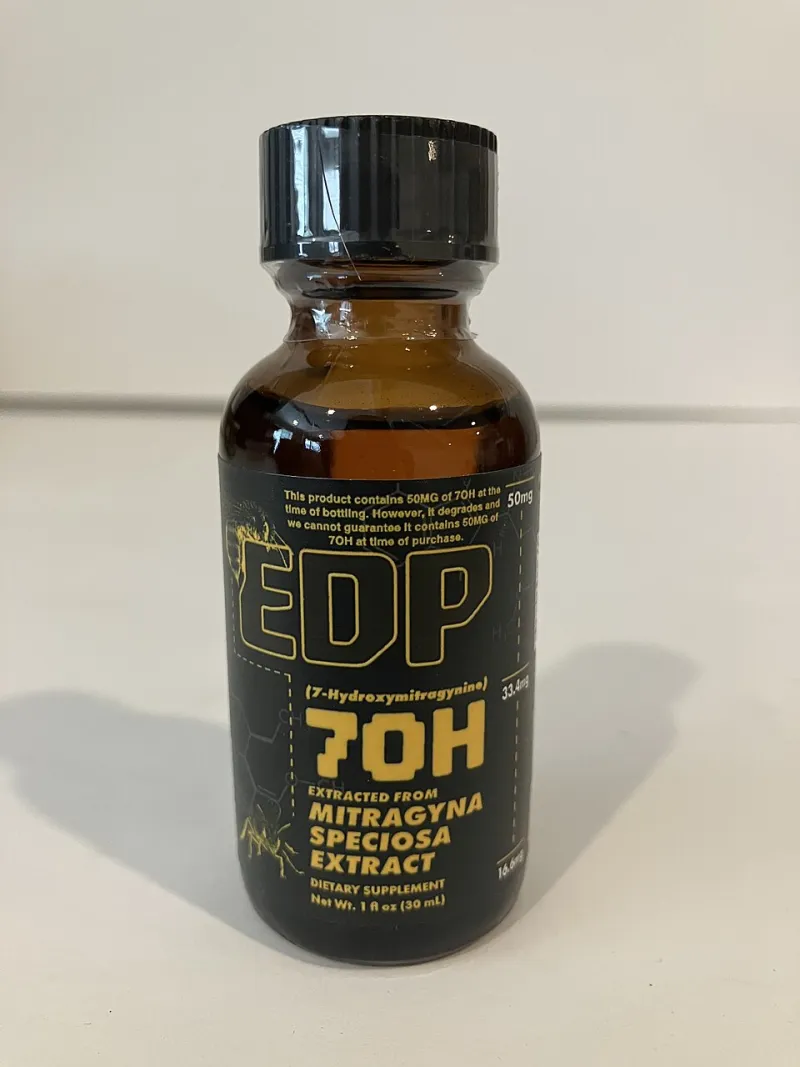
Photo: The U.S. Food and Drug Administration, Public domain, via Wikimedia Commons
Every supplement shelf in America has a graveyard. Bottles that were flying off the racks at GNC one month and gone the next, leaving behind Reddit threads full of confused lifters asking, "Wait, is this stuff illegal now?"
If you've been in the game long enough, you've watched it happen. A prohormone gets hot. Word spreads through gyms from Miami to Seattle. Sales explode. Then — sometimes quietly, sometimes with a splashy FDA press release — the whole thing collapses.
Understanding how that process works isn't just trivia. It can save you money, keep you out of legal gray zones, and protect your health. So let's walk the trail from warning letter to empty shelf.
It Usually Starts With a Letter
The FDA doesn't send a SWAT team to a supplement company's warehouse. It sends paper.
A warning letter arrives when the agency believes a product is making drug claims ("raises testosterone like TRT," "comparable to anabolic steroids"), contains undeclared ingredients, or otherwise breaks the rules laid out under DSHEA — the 1994 law that governs the supplement industry. These letters are public record, posted on the FDA's website for anyone to read.
What most people miss: a warning letter doesn't immediately ban the product. It gives the company 15 business days to respond. Some companies reformulate. Some argue back. Plenty ignore it — and that's when things escalate to product seizures, injunctions, and in the ugliest cases, criminal charges. The 2025 crackdown on "legal" muscle builders we covered earlier followed exactly this pattern.
The Dominoes Fall Fast
Once enforcement action goes public, the market moves quicker than you'd expect:
- Retailers pull inventory. Amazon delistings can happen within hours of a warning letter going viral. Major brick-and-mortar chains follow to avoid liability.
- Payment processors cut ties. Visa and Mastercard flagging a supplement company is often the real death blow — no card processing, no online sales.
- The company "voluntarily" discontinues. Read between the lines. Very few brands admit they were forced out; they just quietly sunset the SKU and launch something suspiciously similar with a new name.
From the consumer's side, the first sign is often a price spike. When a formula is on borrowed time, remaining stock becomes gold. If you see a discontinued booster suddenly listed at triple its normal price on eBay, that's your answer.
You're Holding the Bottle. Now What?
Let's say the booster in your cabinet just made the news. Don't panic — but don't shrug it off either.
First, figure out why it got flagged. A recall for mislabeling is a very different animal than a recall because the capsules contain an unapproved anabolic steroid. If the issue is contamination or hidden drug ingredients, the FDA's advice is straightforward: stop taking it. You can report adverse effects through the FDA's MedWatch program, which takes about ten minutes and actually matters for enforcement.
Second, don't flush your money down the toilet out of spite. Refunds are common during recalls, and reputable retailers will honor them. If you bought direct from a brand that's gone dark, a chargeback through your card issuer is usually your best recourse.
Third, check yourself. If you've been running a product that turned out to contain undeclared steroid compounds, it's worth getting bloodwork — a basic hormone panel and liver values at minimum. You don't need to spiral, but you should know your baseline.
Spotting a Product on Borrowed Time
Here's the part that'll save you the most grief. Busted boosters rarely come out of nowhere. The warning signs are usually visible months before the hammer drops:
- Vague, hyped-up ingredient labels. "Proprietary blends" hiding doses, or ingredient names you can't find in any research database.
- Steroid-adjacent marketing. If the Instagram ads look like they were written by a guy selling gear out of a gym locker, the FDA is probably thinking the same thing you are.
- Bodybuilding forum buzz about "ph-like" effects. When the community's main selling point is that something "feels like the real thing," the product is almost certainly skating past the line.
- The brand pivots constantly. Companies that rename products every year or two usually aren't innovating. They're outrunning regulators.
Think of it like route-finding on a mountain. The climbers who get into trouble aren't the ones who hit unexpected storms — they're the ones who ignored the clouds building all morning.
What Replaces a Fallen Formula
Here's the good news: every time a sketchy prohormone goes down, the legal market gets a little stronger. Brands that play by the rules keep investing in ingredients with actual human research behind them — things like ashwagandha, boron, zinc and magnesium for men running low, and tongkat ali for stress-hormone support.
Are these going to hit like anabolic compounds? No. Nothing legal will, and that's the point. But they can move the needle for a guy whose testosterone is being dragged down by sleep debt, overtraining, or a decade of skipping vegetables — which describes a huge chunk of the American lifting population.
The smart play is the boring play: build your base with training, sleep, and diet, use legal supplements to close the gap, and treat any product promising pharmaceutical results in a bottle as the red flag it is.
Bottom Line
The border patrol is always working, and every year a few more bottles get turned away at the checkpoint. Stay ahead of it — read warning letters, watch how a brand markets itself, and never let a good review override a bad instinct. The mountain's still there tomorrow. Climb it with gear that won't get confiscated on the way up.