Follow the Bottle Backwards: The Secret Journey of Your Testosterone Booster
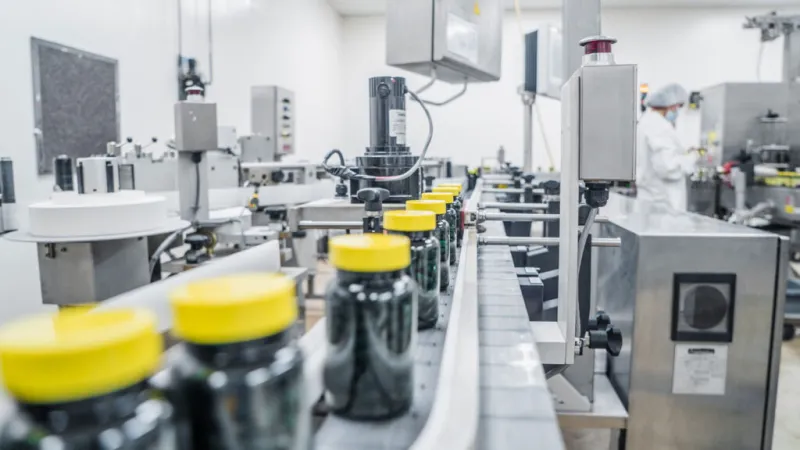
Photo: supplement bottles manufacturing facility production line, via geminipharm.com
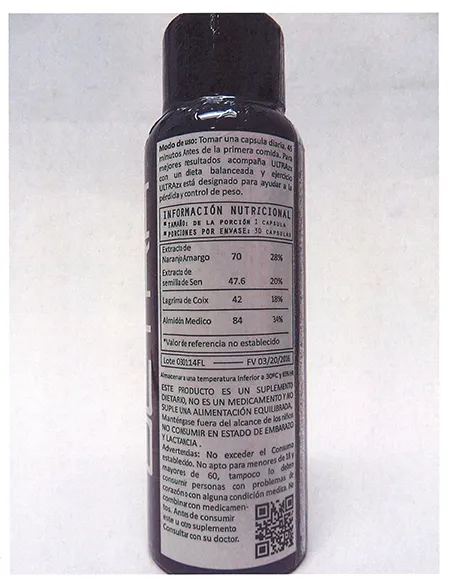
Ever picked up a testosterone booster, flipped it over, and actually read the label? Not the front with the mountain graphics and the word 'ANABOLIC' in cracked-stone font — the back. The part with the fine print.
If you have, you've probably noticed the trail goes cold fast. 'Proprietary blend.' 'Manufactured in a GMP-certified facility.' Maybe a vague 'distributed by' address in Utah or Florida. That's not an ingredient story. That's a marketing story.
So let's do what we do here at Everest: climb down the mountain instead of up it. We're going to follow a hypothetical bottle of T-booster backwards — from a gym shelf in Denver all the way to where its ashwagandha root was actually dug out of the ground.
Stop One: The Shelf in Denver
The bottle sits between a pre-workout and a tub of creatine, priced at $59.99. The label promises 'clinically dosed' ingredients. Here's the first thing worth knowing: the company whose name is on the bottle probably never touched it.
Most supplement brands in the US are, functionally, marketing companies. They design a label, hire a contract manufacturer, and handle fulfillment. That's not automatically a scam — plenty of legit operations work this way — but it means quality control is only as good as the paperwork nobody shows you.
Stop Two: The Contract Manufacturer
Two steps back and we're at a contract facility — often in the US, often not. This is where 'GMP-certified' gets thrown around like a guarantee. It isn't one, at least not the way you'd hope.
GMP (Good Manufacturing Practices) certification means the facility follows documented processes for cleanliness, labeling accuracy, and batch testing. It does not mean:
- The ingredients are the potency listed on the label
- The raw materials were tested for heavy metals before blending
- The 'clinically dosed' claim reflects any actual human research
Think of GMP as the rules of the road, not a driver's skill. A facility can follow every procedure and still be working with cheap, diluted raw material. The FDA inspects facilities and can issue warning letters, but enforcement is reactive — products often hit shelves long before anyone checks them.
Stop Three: The Ingredient Broker
Before blending, the raw ingredients pass through brokers and distributors. This is where the ashwagandha and fenugreek in your bottle took very different journeys.
Ashwagandha — the adaptogen showing up in nearly every T-booster — is overwhelmingly grown and processed in India, with major production in Rajasthan and Madhya Pradesh. Quality varies wildly by harvest, drying method, and whether the root was standardized to withanolides (the active compounds) or just ground-up plant matter. A 'branded extract' like KSM-66 or Sensoril comes with published research and supplier oversight. Generic 'ashwagandha root powder' comes with a promise.
Fenugreek follows a similar path — India again, primarily — but here's the catch: the active compounds (saponins like protodioscin) degrade with poor storage. By the time a non-standardized extract reaches a blending facility, the label number might be fiction.
Brokers sell on price and availability. Unless the brand specifies a standardized extract with a certificate of analysis (CoA), the cheapest passing lot is what goes in the drum.
Stop Four: The Farm
At the end of the trail: a smallholder farmer, a drying yard, and a commodity market. No brand oversight. No lab. The gap between that field and your $59.99 bottle is where every quality claim either survives or dies.
'Proprietary Blend': The Breadcrumb That Leads Nowhere
Now that you know the journey, here's why 'proprietary blend' should raise your hackles. It's a labeling loophole that lets brands list ingredients without disclosing doses — the total blend gets a number, and ingredients are listed in descending order of amount.
Translation: if ashwagandha appears last in a 1,200mg blend of nine ingredients, you might be getting 40mg. The studies showing testosterone support used 300–600mg of a standardized extract. A proprietary blend lets a brand put a studied ingredient on the label at a decorative dose.
Your Provenance Checklist
Before your next purchase, run any T-booster through this five-point check:
- Branded or generic? Look for named extracts (KSM-66, Testofen, etc.). Branded ingredients carry supplier accountability and published research.
- Doses disclosed? If the label hides behind a proprietary blend, the brand is hiding something — usually the fact that doses are too low to matter.
- Third-party tested? Look for NSF Certified for Sport or Informed Sport logos, or a batch CoA available on request. If customer service can't produce one, walk away.
- Who actually makes it? A 'manufactured for' address with no named facility is a yellow flag. Brands proud of their manufacturing name it.
- Heavy metal testing? Botanicals grown in soil — especially ashwagandha root — can carry lead and arsenic. Serious brands test every batch. Ask.
The View From the Bottom of the Mountain
Every summit route starts with knowing the terrain. The supplement supply chain is terrain — and most brands count on you never studying the map. The ones with nothing to hide will hand you the CoA, name their extract suppliers, and print real doses. The ones that won't just told you everything you need to know.
Climb smart. Check the breadcrumbs before you buy.