Eight Weeks of Nothing: My Experiment With a Capsule Full of Rice Flour
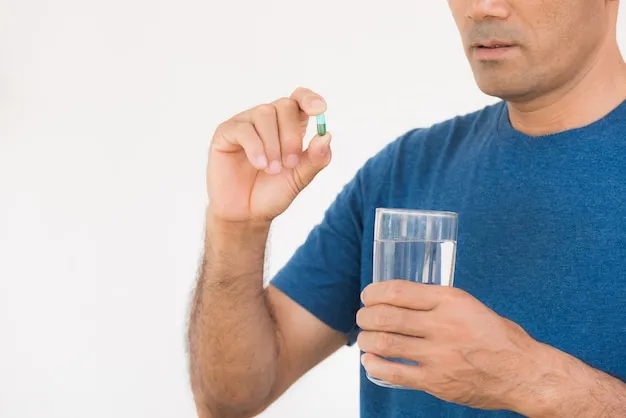
Photo: man taking supplement capsule with glass of water gym, via img.freepik.com
Let me be upfront: for eight weeks this spring, I took a "testosterone booster" that was nothing but rice flour in a gelatin capsule. I knew it. My bloodwork didn't lie about it. And yet my training log from those two months reads like a guy who was onto something.
That gap — between what was in the bottle and what I experienced — is the whole point of this article.
The Setup
I ordered empty gelatin caps and a bag of rice flour from a supplement supplier, filled about 60 of them by hand (tedious, would not recommend), and took two every morning with breakfast. The rules I set for myself:
- No other changes to training, diet, or sleep
- Bloodwork before, bloodwork after — total T, free T, plus the usual panel
- Daily notes on sleep, mood, gym numbers, and general energy
My baseline total testosterone came back at 612 ng/dL. Healthy, unremarkable, exactly what you'd expect from a 34-year-old who sleeps okay and lifts four days a week. In other words: not the guy the "Low T" marketing machine is hunting for.
Weeks 1–2: The Honeymoon
Here's the part that humbled me. Days three through ten, I felt great. Morning energy seemed sharper. I walked into the gym convinced something was happening.
My log from March 14th literally says: "Noticed a real kick during warm-up sets."
There was no kick. There was rice flour. What there was was a guy who had decided, consciously or not, that he was in an experiment where something might work — and the brain ran with it.
Weeks 3–6: The Plateau That Wasn't
By week four, the novelty had worn off and my notes got boringly normal. Sleep stayed the same. Mood stayed the same. My lifts did what lifts do when programming doesn't change: small, grinding progress on the big movements, nothing dramatic.
The interesting data point: my perceived recovery didn't improve either. If a real T-booster were doing anything meaningful, recovery and training capacity are where I'd expect to notice first. Nothing. Just the same Tuesday squats, the same Wednesday coffee dependency.
The Bloodwork Reveal
Week eight, same lab, same fasted morning protocol: total testosterone came back at 598 ng/dL. A 14-point drop, well inside normal day-to-day variation. Free T was flat. Everything else was flat.
Eight weeks, sixty capsules, zero physiological change. And yet I'd spent two of those weeks genuinely believing I felt different.
Why the Placebo Peak Matters
I'm not telling this story to dunk on placebo effects — they're real, measurable, and honestly useful. Studies on pain, fatigue, and perceived performance show expectation alone can shift how hard a set feels and how much effort you're willing to put in. If belief gets you to the gym with better intent, that's not nothing.
But there's a flip side, and it costs money. When you feel a supplement working, you're far less likely to ask whether it actually is. The placebo peak is why people reorder products for years without ever running the numbers.
How to Audit Your Own Stack
You don't need to fill capsules with rice flour (though it's a cheaper hobby than most). You need a control mindset:
- Baseline bloodwork. Get total and free T tested before you start anything. If a product claims to raise testosterone, that's a measurable claim. Hold it to that.
- Keep a boring log. Sleep hours, mood on a 1–5 scale, key lifts. Boring data beats vivid memory every time.
- Change one thing at a time. If you add a booster, a new program, and a sleep schedule in the same month, you'll never know what did anything.
- Re-test at 8–12 weeks. Feelings are the marketing department. Bloodwork is accounting.
- Run a washout. Stop the product for a month, keep everything else constant. If nothing changes when you drop it, you have your answer.
The Honest Takeaway
The rice flour experiment didn't make me cynical about supplements — it made me specific about them. Creatine works. Vitamin D matters if you're deficient. Caffeine is undefeated. But the moment a product's main effect is how you feel about taking it, you're paying for a feeling.
Climb with a map, not a mood. Get the baseline, keep the log, and let your bloodwork — not your week-one enthusiasm — decide what stays in the cabinet.