Cleared for the Climb: 5 Legal Supplements With the Science to Back Them Up
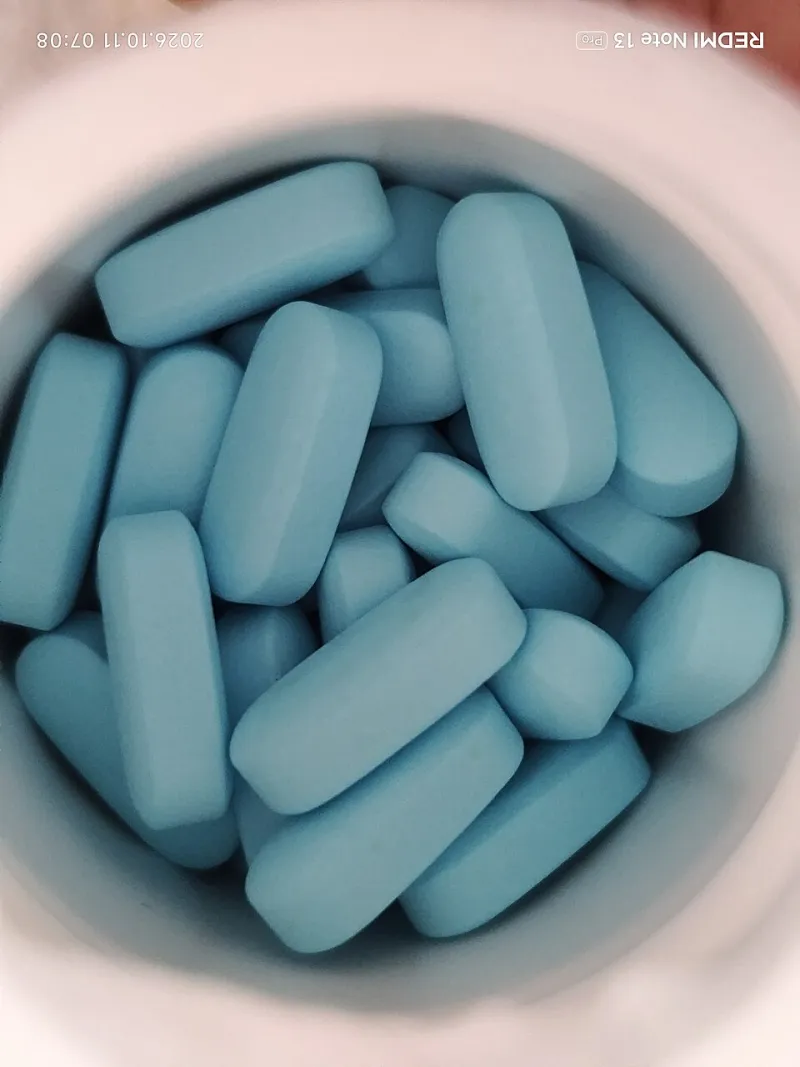
Photo: BUWODIEM 6008 KAUE, CC0, via Wikimedia Commons
Walk into any supplement store in America—or scroll through Instagram for five minutes—and you'll get hit with the same pitch: this pill is basically steroids. It isn't. Almost none of them are.
Here at Everest Steroids, we're not in the business of selling you fantasy. We're in the business of telling you what actually works, what's legal, and what's worth your paycheck. Think of this as your gear check before the climb. A Sherpa doesn't pack junk that might hold up at altitude—they pack the five items with a proven track record. Same logic applies to your stack.
We graded each supplement below on three criteria: efficacy (does the clinical research hold up?), safety (any red flags?), and value (is it worth the price tag?). Only five made the cut.
Creatine Monohydrate: The Verified Route
Efficacy: A+ | Safety: A | Value: A
If supplements were climbs, creatine is Everest via the standard route—well-mapped, well-traveled, and reliable. No other legal supplement has more research behind it. Hundreds of studies confirm it boosts strength, power output, and muscle gain, with emerging evidence suggesting cognitive benefits too.
The scare stories about kidney damage? They've never held up in healthy individuals across decades of research. Buy plain creatine monohydrate—the cheap, unflavored kind—for about $20 for a three-month supply. Skip the fancy 'advanced' versions. They cost more and do less.
Vitamin D: The Altitude Adjuster
Efficacy: B+ | Safety: A | Value: A
Here's the thing most lifters miss: you can eat perfectly and train hard, but if your vitamin D levels are in the gutter, your testosterone and recovery may be quietly paying for it. An estimated 40% of American adults are deficient, especially those of us grinding away in gyms instead of getting sunlight.
Get your levels tested if you can. A basic D3 supplement (1,000–4,000 IU daily for most people) costs pennies per serving. It won't add 50 pounds to your bench, but fixing a deficiency is one of the highest-return moves in your entire regimen.
Ashwagandha: The Acclimatization Aid
Efficacy: B+ | Safety: B+ | Value: B
This adaptogen has quietly built a legitimate research portfolio. Multiple randomized trials show meaningful reductions in cortisol—the stress hormone that, when chronically elevated, works directly against your testosterone and recovery. Some studies also show modest improvements in strength and muscle mass.
Look for a standardized extract like KSM-66 or Sensoril at around 300–600mg daily. One caution: rare cases of liver issues have been reported, so if you're on medications or have liver concerns, talk to your doctor first. Value takes a slight hit because quality extracts aren't the cheapest, but it earns its spot.
Zinc: The Small-But-Mighty Carabiner
Efficacy: B | Safety: A | Value: A
Zinc is like a carabiner—small, cheap, and absolutely essential when you need it. It plays a direct role in testosterone production, and deficiency is linked to suppressed T levels. Sweating heavily through hard training sessions depletes it, which makes athletes and heavy sweaters more susceptible.
Here's the honest grading, though: if your zinc levels are already fine, extra zinc won't raise your testosterone further. It's a fix-the-gap supplement, not a booster. A basic zinc picolinate or zinc citrate at 15–30mg daily covers you for almost nothing. Don't megadose—too much zinc for too long can tank your copper levels.
Citrulline Malate: The Oxygen Supply Line
Efficacy: B | Safety: A | Value: B+
Want better pumps and a few extra reps before failure hits? Citrulline malate increases blood flow and nitric oxide production, and the research shows it can improve training volume and reduce soreness. It's not a transformation in a scoop, but it's one of the few pre-workout ingredients with actual data behind it—unlike most of what's filling those neon tubs at GNC.
Dose matters: 6–8 grams of citrulline malate about 30–45 minutes before training. Many pre-workout products underdose it, so buying the powder standalone is often smarter and cheaper.
What Didn't Make the Team
Notice who's missing? Testosterone 'boosters' with proprietary blends, fat burners loaded with caffeine and hope, and anything promising steroid-like results from a legal capsule. If a product's marketing leans harder on before-and-after photos than on published research, treat it like a crevasse hidden under snow—looks solid, will drop you straight down.
The Bottom Line
Five supplements. All legal. All backed by actual clinical evidence. That's genuinely the whole shortlist that survives a rigorous gear check. Build your foundation on creatine, vitamin D, ashwagandha, zinc, and citrulline, spend the rest of your budget on real food and a good coach, and you'll climb higher than the guy spending $200 a month on miracle pills.
Climb smart.