The Sherpa Test: Why Your First Testosterone Booster Needs a Guide, Not a Sprint
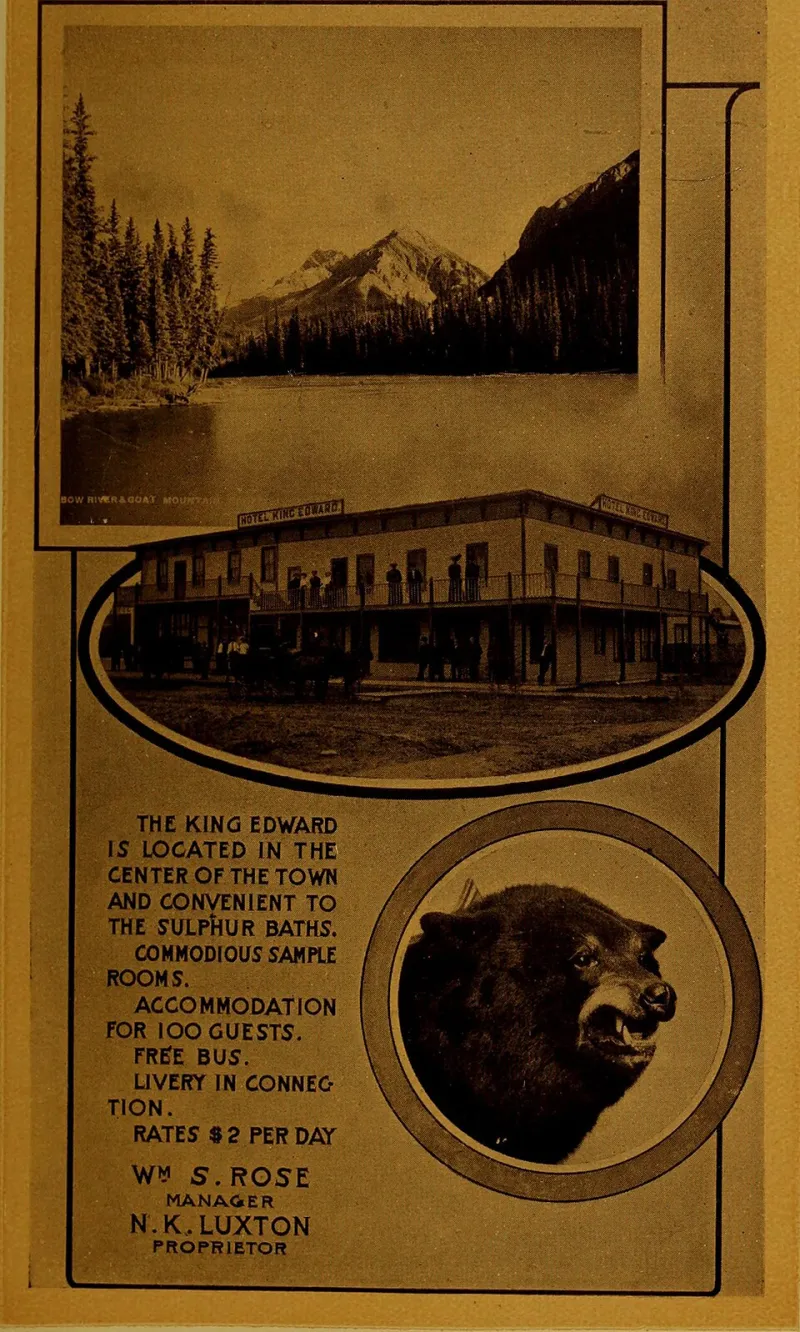
Photo: Godenrath, Percy F. (Percy Francis), 1875-1944, No restrictions, via Wikimedia Commons
Ask any mountaineer what kills most first-time climbers at altitude, and the answer isn't the mountain. It's impatience. Climbers with the best gear and the strongest legs flame out because they skip the acclimatization phase and race for the summit.
The same pattern plays out in gyms across America every January. A guy buys a testosterone booster, takes the full serving size on day one, feels a little jolt of energy, and thinks he's found the fast track. Three weeks later, he's cranky, bloated, sleeping like garbage, and convinced the supplement scene is a scam.
Here's my take: most first-timers don't fail because they picked the wrong product. They fail because they never paced the climb.
Why Your Body Treats a New Booster Like Thin Air
A quality test booster — think ingredients like ashwagandha, tongkat ali, boron, or zinc — works by nudging your existing hormonal machinery, not replacing it. Your HPTA (hypothalamic-pituitary-testicular axis) is a feedback loop, and like any feedback loop, it hates being yanked around.
Start at full dose immediately and you get a spike, a correction, and a rebound. Start slow and ramp, you give the loop time to settle into a new normal. That's acclimatization. That's the Sherpa approach.
The Week-by-Week Pacing Framework
Weeks 1–2: Base Camp (Half Dose) Take one serving instead of two, or half a serving if the label calls for capsules split through the day. You're not chasing gains yet — you're checking for side effects: headaches, acne flare-ups, digestive weirdness, sleep changes. Write them down. A $2 notebook is the most underrated supplement on the market.
Weeks 3–4: Camp One (Full Dose, Full Attention) If base camp went clean, move to the full label dose. Now track the stuff that actually matters: morning energy, gym drive, sleep quality, mood stability. If libido ticks up and recovery improves, great — that's the product doing its job at the right altitude.
Weeks 5–8: The Acclimatization Plateau Hold steady. Don't stack anything new, don't double up, don't add a "booster for the booster." Beginners plateau their results by getting bored, not by being patient. This is also the window where you judge whether the product is working at all. Eight weeks is the honest minimum for most natural test-support ingredients.
Weeks 9–12: Summit Push or Turn Back If the trend lines are positive, finish the cycle strong. If you've seen nothing by week eight, that's your turn-back signal — no summit fever, no doubling the dose to force it. Come down, take four to six weeks off, and reassess.
Knowing When to Turn Back
Sherpas don't quit because they're weak. They turn back because they read the conditions. Your equivalents: persistent insomnia, unexplained irritability, bloating that suggests aromatization issues, or anything that makes your partner ask if you're okay. Those aren't badges of effort. They're weather warnings.
The Bottom Line
The mountain rewards patience over bravado every single time. Pick a product with transparent dosing, start at half, ramp over a month, and give it a full eight weeks before you judge it. That's the Sherpa Test — and the guys who pass it are the ones still climbing a year later.